
Design Confessions: What Clients Regret Doing

Have you ever wished there was an HGTV series introducing you to homeowners who have done things the wrong way and live to regret their decisions? I’ve often wondered why that doesn’t exist because that’s where the real design education begins.
We’re constantly inundated with shows about renovations that seem to finish on time, under budget with no obstacles along the way. I can tell you from a decade of real life experience that this virtually never happens. There are always obstacles, homeowners always struggle to maintain budgets and changes occur regularly throughout the design process.
Since HGTV won’t do it, I’m sharing a list of the top regrets that clients experience. Hopefully this will prevent any similar mistakes on your part.
The 10 Things Clients Regret Doing When Renovating
1/ Rushing Through the Planning Stage

If there’s any time to be vigilant and focused it’s during the planning stage. I’ve come to understand that most homeowners have likely been planning their renovation for years. You’ve had so much time to consider your priorities and when the right time comes along you want to jump into action. Totally understandable but this is where mistakes are made.
The most important thing to remember is that the entire process begins with design. Most homeowners are rushing to get to the day when the trades arrive and start knocking down walls. That day comes long after the majority of decisions have been made. Understanding that the design phase can take weeks or even months is important in managing your own expectations.
Rushing through this stage can leave homeowners feeling overwhelmed during the construction process. Since most of the big work is done before any construction work begins, it’s important to focus and give adequate energy and attention to the work.
2/ Making Changes After the Design Has Been Approved

If there was a single piece of advice I could give to anyone embarking on a renovation it would be to maintain a strong belief in what you have selected and approved during the design phase.
Since most renovations last for several months it makes sense that you’re living and breathing design during that time. It’s easy to spend time on Pinterest and suddenly regret every design decision you’ve made. Even designers have to avoid the trap of wondering if they made the right decision when designing our own homes.
This is such a common issue and it’s caused when homeowners see designs and materials that they love after they’ve approved their own design. We all get caught up in second guessing but those changes can be extremely costly and cause time delays.
There is such a significant trickle down effect when a change is made to a previously approved design. First, the order for materials may have already been placed so that needs to be cancelled (if possible). Now you have to approve a new selection, fit it into your budget, check with the trades to ensure the technical aspects of the material fit into the work parameters and then finally place a new order and hope there are no delays.
This can change the budget but more importantly, it can cause delays in timelines. Ordering materials is such a strategic dance and requires all stars to be aligned. If the delivery timeline is different from your previous material selection you may be delayed. If the product is delayed or goes out of stock you may have trades that move on to another project because there is nothing for them to do while they wait. Once a trade moves to a new project, it’s very hard to get them back. It’s important to understand exactly how significant it can be to change your mind midway through a project.
3/ Compromising on Quality to Save Money
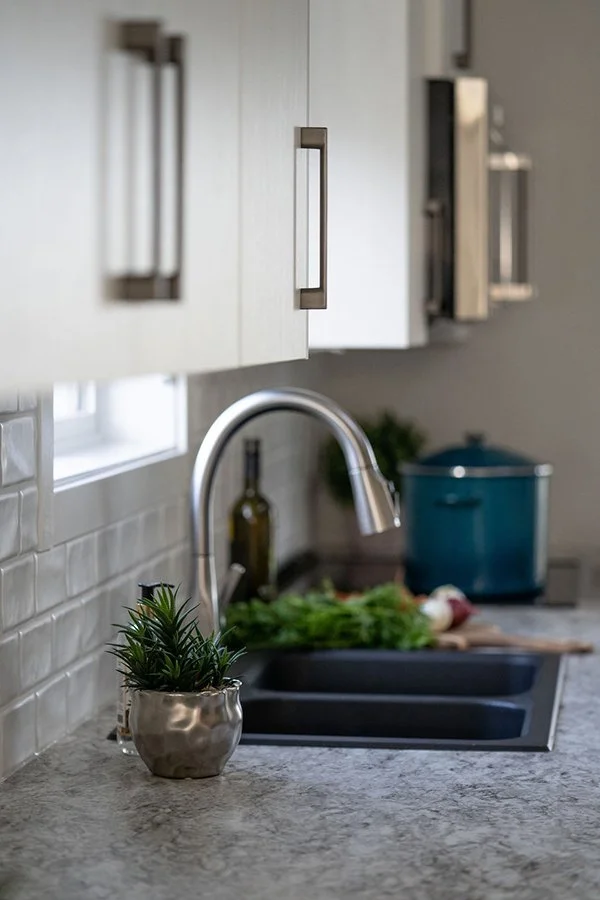
One of the most important roles a designer plays is in advising their clients about the quality of the materials they’re considering. We’ve seen the specification sheets from hundreds or thousands of items and we can quickly discern which are worthy of your money and which are not. Read this post to discover more benefits of working with an interior designer.
I’ve had clients in the past who decided to compromise on quality to save a few dollars and have lived to regret their decision. Inferior stone countertops can be easily stained, flooring can bubble and warp and tiles chip and break. Alternatively, spending thousands of dollars on custom made cabinet knobs is a bad choice if it means you’ll be forced to purchase inferior materials.
While we can’t afford everything most of the time, it’s important to prioritize early on. Understand which materials matter to the functionality of your home and which act as cosmetic updates. Once you have a thorough understanding you’ll be able to avoid cutting corners in important areas.
4/ Not Including Enough Storage
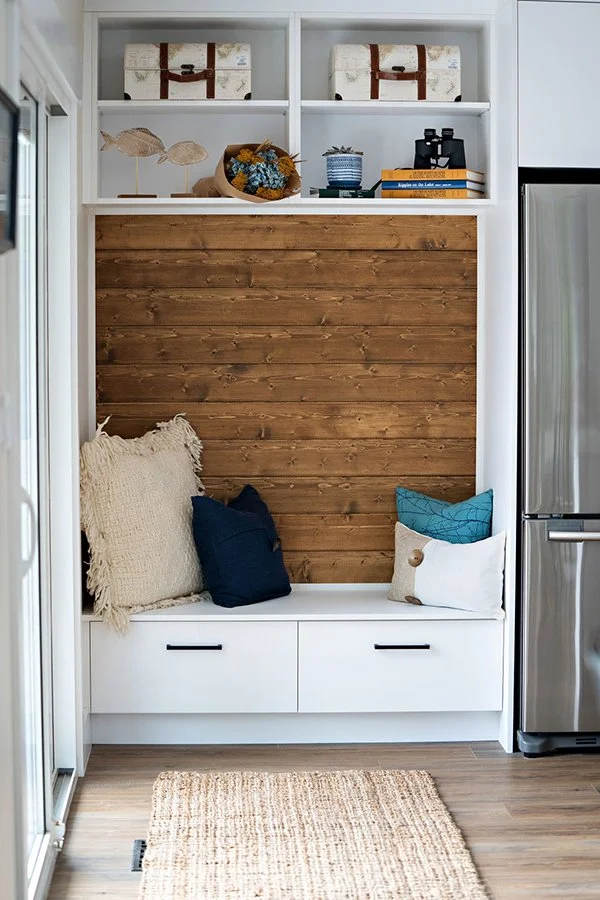
Custom millwork is expensive. It can also be inexpensive if you plan for it.. Sometimes the timing of things is what determines its cost. If you are able to include lots of storage into the original design it won’t be nearly as expensive as if you hire someone to come just to build storage at any other time.
The design for custom millwork is very expensive because there are a lot of hours spent creating the designs. It's so much easier for a designer to incorporate storage into a working design versus creating storage solutions in a fully built home.
Nobody has ever regretted having too much storage. Having too little storage will leave you relying on furniture to fill the gap. And in the end, custom millwork can make your home look and feel more luxurious.
5/ Using White Grout
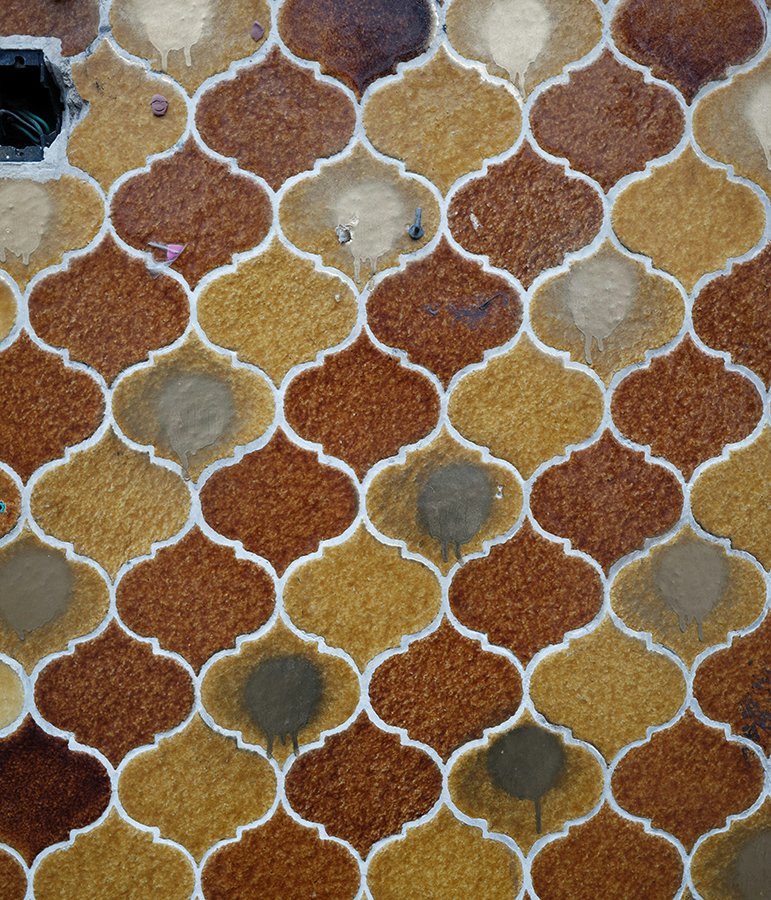
One of the biggest complaints from homeowners who have recently renovated is their choice of grout colour, particularly white grout. White grout looks so sleek and modern and it’s a natural choice for those working with white tiles. Often, tile setters will encourage homeowners to use white because it’s easy and there will never be a complaint about the colour being different than the swatch. White looks great when it’s first applied to your newly set tiles.
The issue with white grout will become obvious a few months after your room has been completed. Whether it’s the kitchen backsplash or the shower in your main bathroom, white grout is difficult to maintain. It’s only a short time before it starts to look dingy and dirty. Instead, opt for a soft gray or a beige that will give a crisp appearance to your tiles without the evident dirt and grime.
6/ Installing Inadequate Lighting

A lot of homeowners plan for their overhead lighting, including pot lights, but fail to consider anything else. This can result in a space that feels like a Friday night football game, bathed in bright overhead light.
A well lit home relies on multiple types of lighting. This is what creates the nuance and helps to create a moody, sophisticated space where light bounces around the room.
A great lighting plan includes ambient, task and accent lighting and too many homeowners overlook two out of three of these. Learn more about selecting the best light fixtures for your home by reading this post.
7/ Ordering Countertop Material Based on a Small Sample

You’ve likely heard designers advising you not to purchase paint based on the tiny sample found in the retail stores. The same is true from countertops but this becomes exponentially more important because of cost. While it’s a pain to have to repaint, it’s cost prohibitive to change your mind after your countertop has been installed.
The sample you see of the beautiful quartz countertop might be deceiving you into thinking you’re getting something other than what you imagine. The small samples can only give you a suggestion of the overall colour but to understand the pattern of the slab you’ll need to visit the fabricator to see a full slab.
Countertops are custom made based on a template (or drawing) of your countertop. Once this has been fabricated there are no returns so always be aware and do your research first before ordering.
8/ Opting for Inferior Products in Key Areas
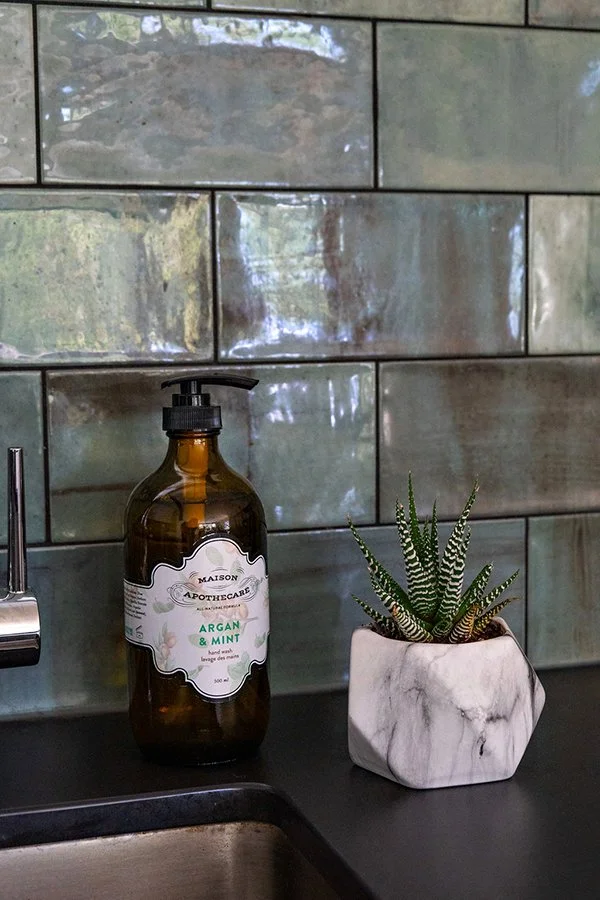
One of the most important roles of my job is to educate my clients about which products to splurge on and where you can save some money. Kitchens and bathrooms should be a priority but even then it’s important to know how to make your money work overtime for you.
After a decade of experience and too many renovations to even begin to count, I have the experience to educate my clients on how to prioritize their dollars. I know that every dollar counts and I can tell which products will stand the test of time.
All materials are marketed as being superior but those of us who have worked with them know how to determine which are inferior. Saving a few bucks sometimes isn’t worth what it will cost you in the long run. A chipped and stained countertop will forever blemish your kitchen’s overall aesthetic. Look beyond the shiny surface appearance and do your research to find out what other customers are saying before you buy.
9/ Living in the House While Renovating

If there’s one regret I see more often than any other, it’s remaining at home during the renovation process. While this can’t always be avoided, most homeowners underestimate the strain they will encounter when living in a home during a renovation. The dirt, the noise and the constant stream of people coming and going can take a toll on the best of us.
If moving out isn’t an option for you it’s imperative that you understand what you’ll be experiencing and plan to make your home a bit more comfortable. Building a makeshift kitchen with an area to wash dishes and cook is essential. Stock up on pantry snacks and always have a designated coffee station. These small efforts will make your house feel a teeny bit more like a home during this time. And if possible, move out and let the home be handed over to the work crew.
10/ Not Adequately Communicating Well Enough During the Process

It’s hard to work full-time, manage your family and juggle your personal life all while managing a renovation project. It’s easy to let some of the communication fall to the wayside but there will be a price to pay for that.
Poor communication including a lack of attention to the finer details and late replies to questions can have a massive impact on your renovation. What homeowners don’t always understand is that a project can be temporarily placed on hold if replies to questions are not coming in quickly enough.
Trades won’t waste any time in a home where they can’t continue work. They’ll move onto another project and you will be forced to wait until they can return. This can cause a chain reaction of trades being delayed. This can be one of the most costly experiences involving both time and money so stay on top of questions and reply quickly.
I hope this gives you some insight into the errors that I’ve experienced clients suffer through. If you have a renovation project coming up in 2027, reach out to me. I’d love to discuss how I can help you and build your dream home.
Warm regards,
Adrienne