
How to Design a Home that Flows With Your Daily Routine
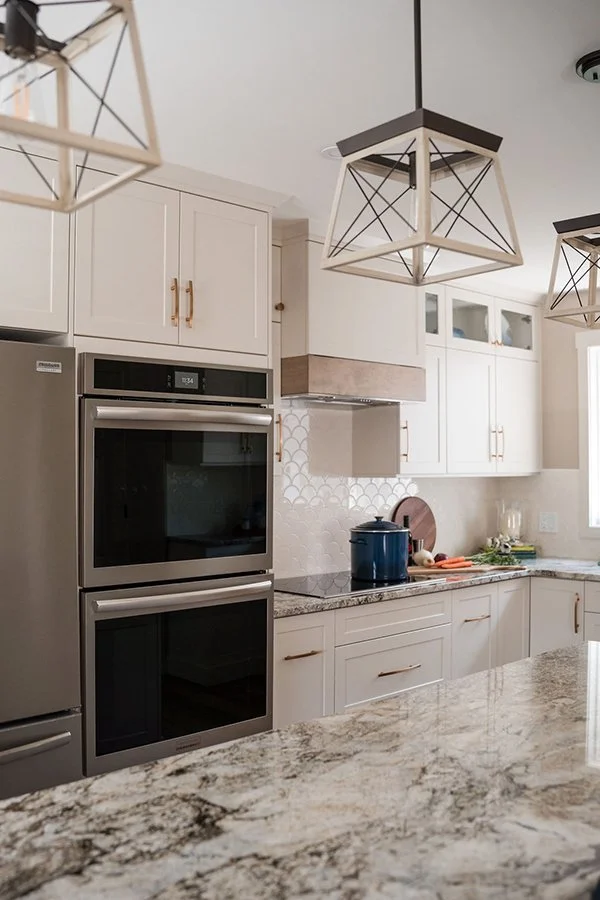
Most of us are aware of how important traffic flow is in your home. Blocked walkways lead to congestion and improperly designed spaces can feel difficult to manoeuvre in. There’s another issue that affects us deeply that is so often overlooked. It’s the flow of your home in regards to your daily routines. Your home should feel functional and allow you to quickly move through your routines without impeding you along the way. If you’re not sure how to accomplish this then you’ll want to read on.
Start by Outlining Your Daily Routines
The most effective way to accomplish this is to break up your day into 3 sections - the morning routine, your workday at home and the evening unwind. You want to ensure that you have a home that flows with each and every aspect of your daily life.
1/ Start the Day Right
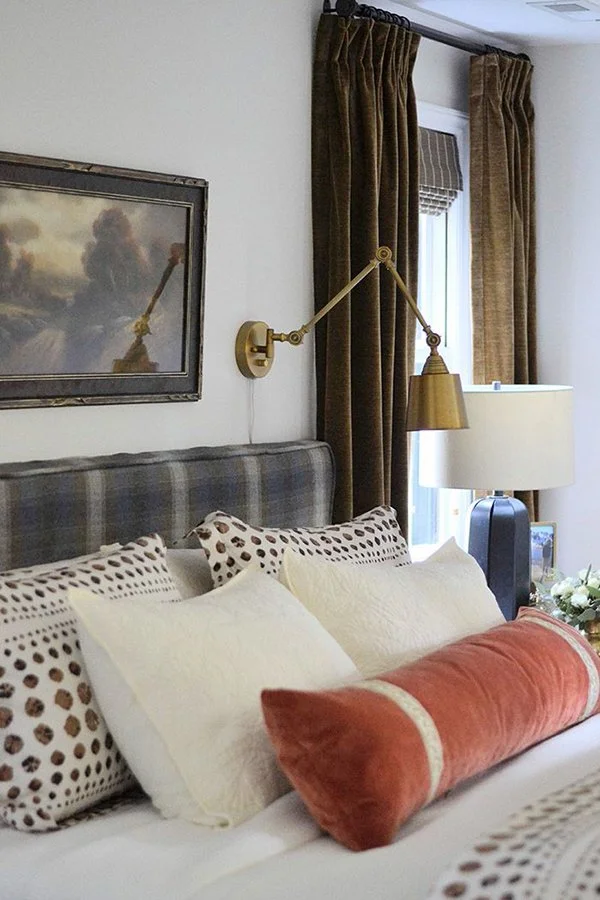
One of the most frustrating aspects of being disorganized in the morning is how it can have a trickle down effect into your day. We have a tendency to allow the morning to dictate how the rest of our day goes. If that’s you then it’s super important to have a home that works for you and not against you. Here are some things to consider:
How many people are getting their day started at the same time? Will they all be using the same spaces? Ie bathroom, kitchen, hall closet, etc.
What are your morning non-negotiables? Do you insist on a warm breakfast or a workout before you get out the door?
What do you require to leave the house? Ie, keys, lunch, etc.
By asking these questions you can already see how the morning will unfold. If you love to start your day with a coffee then make it a priority to set up your coffee station in a quiet area that won’t be overrun with small humans getting ready for their day.
There’s an expression that states “a successful morning begins the evening before”.
I wholeheartedly believe this and encourage you to find the parts of the morning that can be completed the night before in order to keep the morning as peaceful as possible.
2/ Working During the Day
This section of the day may be the most quiet or the most chaotic depending on the stage of life you’re in. For a stay-at-home mom this is a time that is extremely busy and you may not get a chance to stop all day.
In that case, your home should function like a well-oiled machine. You’ll want an entry way that can accommodate shoes, coats and backpacks. You also need to consider how to allow the kids to do some of the work. A bench with storage allows your kids to put their backpacks away without your assistance. Small hooks hung low allow your kids to hang their coats and move into the house more quickly.
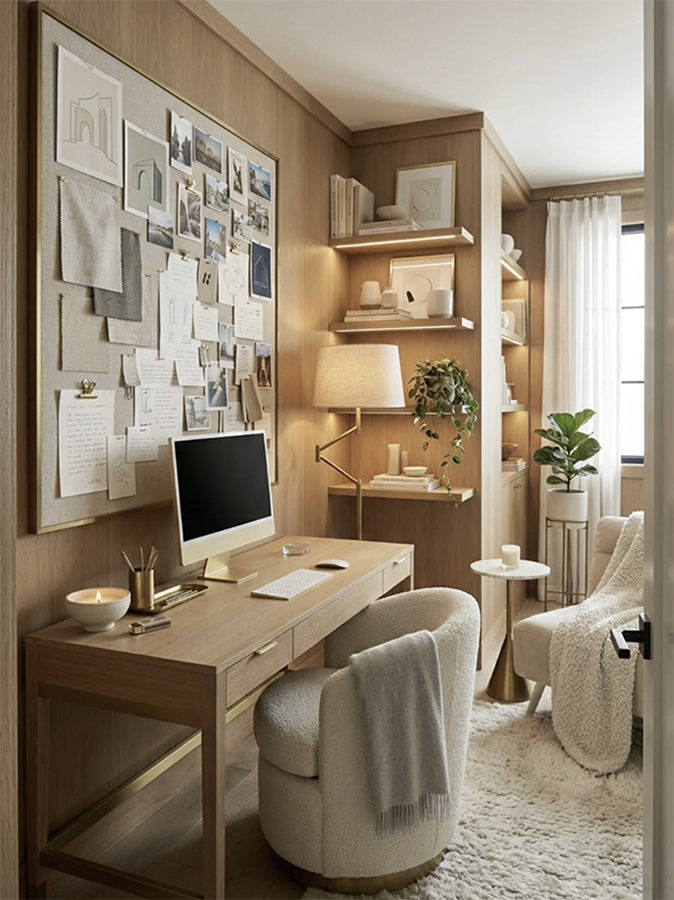
If you work from home you’ll want to be sure your office is set up away from high traffic areas so you’re not constantly interrupted. Having a room with light flowing into it may also be a priority if that helps keep your mood balanced throughout the day. I’ve written an entire post about designing your home office for productivity and peace. If that’s something that speaks to you, read it here.
3/ Unwind in the Evening
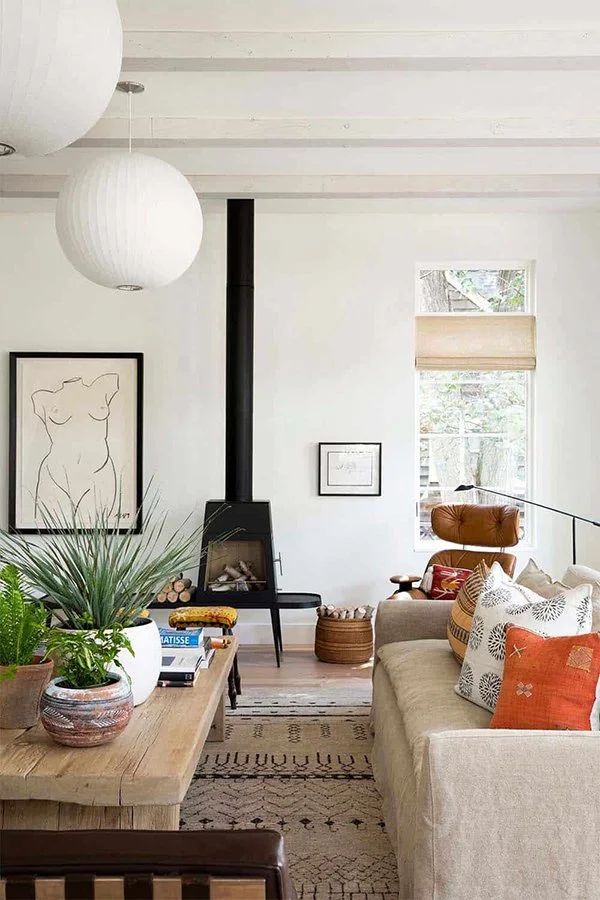
What happens in your home in the evening? Do all the people in your home gather together or are you all spread out around the house? Is it quiet time where everyone is reading or playing by themselves or do you have a lively family that likes to play games and burn off the energy of the day?
These factors will help you determine how much space you need to allocate to these activities. Space is not the only consideration when it comes to our evening routine. For so many, our needs are different in the evening than they were when we woke up. We may not want to be exposed to so much incandescent lighting after a long day of glaring lights. In that case you should include dimmers on all the light switches to give your eyes a break.
When determining what your evening needs are consider all the senses. If your family loves to watch tv but you need some quiet time, allocate your bedroom as your evening retreat while the rest of the family takes over the living room. Plan for each member of the household to get what they need and the stress of the day won’t be additionally aggravating in the evening.
And don't forget to get the kids joining in to help with the planning. One of the best ways we can help our kids feel successful is by teaching them to be accountable for their day as well. Find small ways for each of them to plan some successful strategies for their own day ahead. That could include laying out clothes the night before to help get their day off to the right start as well.
Optimize the Flow
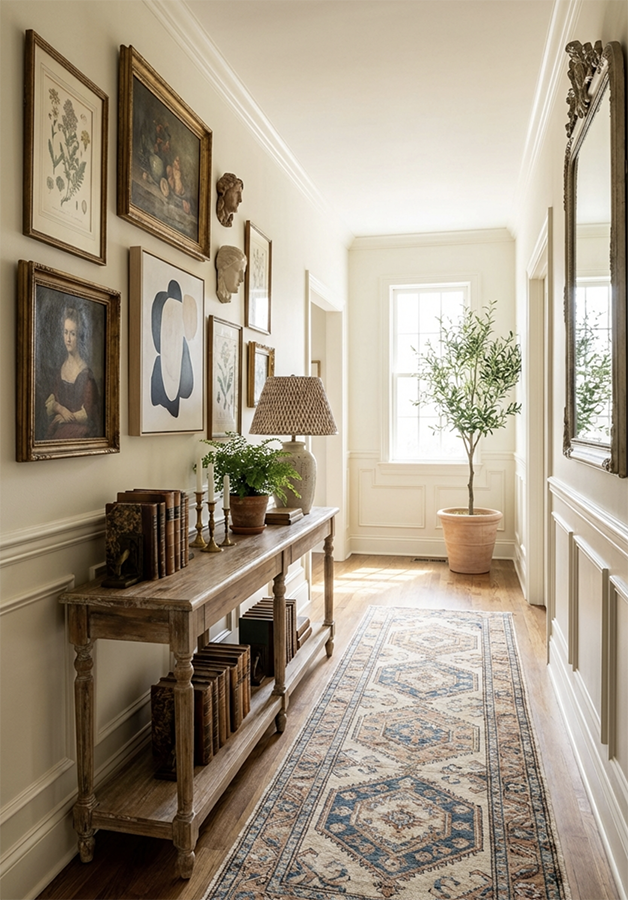
Now that you know what your family’s needs are it’s time to examine how your home functions. Walk through each space and see where the traffic flow becomes blocked or congested.
Look at the most common routes you take in the evening. These are often from the sofa to the fridge or the bedrooms to the laundry room. Whatever it is for you, make sure your home reflects that routine and keeps walkways clear and unobstructed.
There should be a clearance of 30-36” around all areas that you consider a primary walkway in your home. Maybe you can’t move walls but if it’s objects blocking the space, those will need to find a new home.
For open concept homes it may feel impossible to create unobstructed walkways or even just set up zones for different activities. The best trick for that is to use area rugs to create separate zones. This will keep the space looking aesthetically separate even though you’re right next to each other.
And don’t forget about your pets and how they flow through the house alongside their humans. Be sure their beds and eating area are not in high traffic areas so that you can avoid tripping hazards.
Selecting the Right Furniture
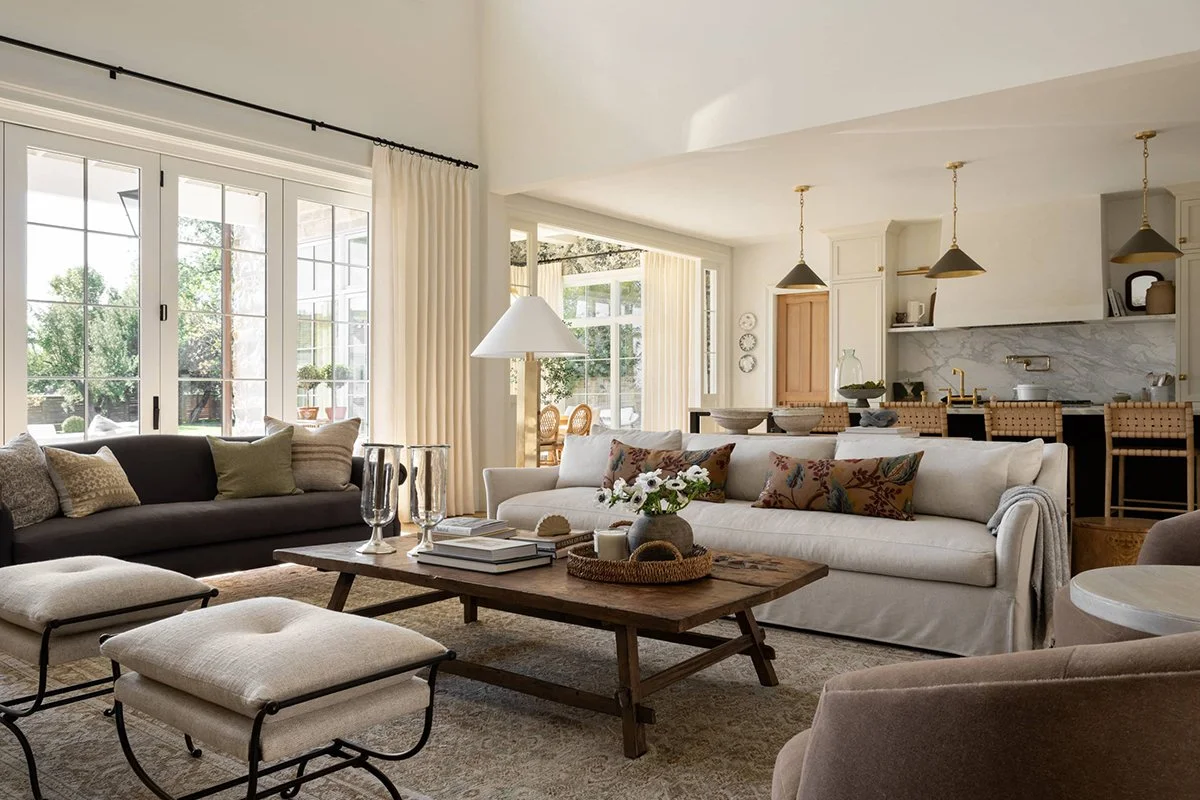
While we’re specifically discussing your daily routine, the furniture that you select for your home will have an impact on that flow as well. For instance if you find yourself getting frustrated with the lack of space to move in your living room the furniture may be too large for the space.
Even if you can’t afford to buy all new pieces you may be able to rearrange the pieces you have. Alternatively, you can eliminate one or two pieces that are not necessary and lighten up the overall feel. The change in just a single piece can help create better traffic flow which does ultimately help with your daily routine and the way you flow through your home.
Sometimes a completely different design is necessary so don’t be afraid to play around with the layout of your furniture. Maybe the most optimal grouping hasn’t even been considered.
Designing Appropriate Transitions
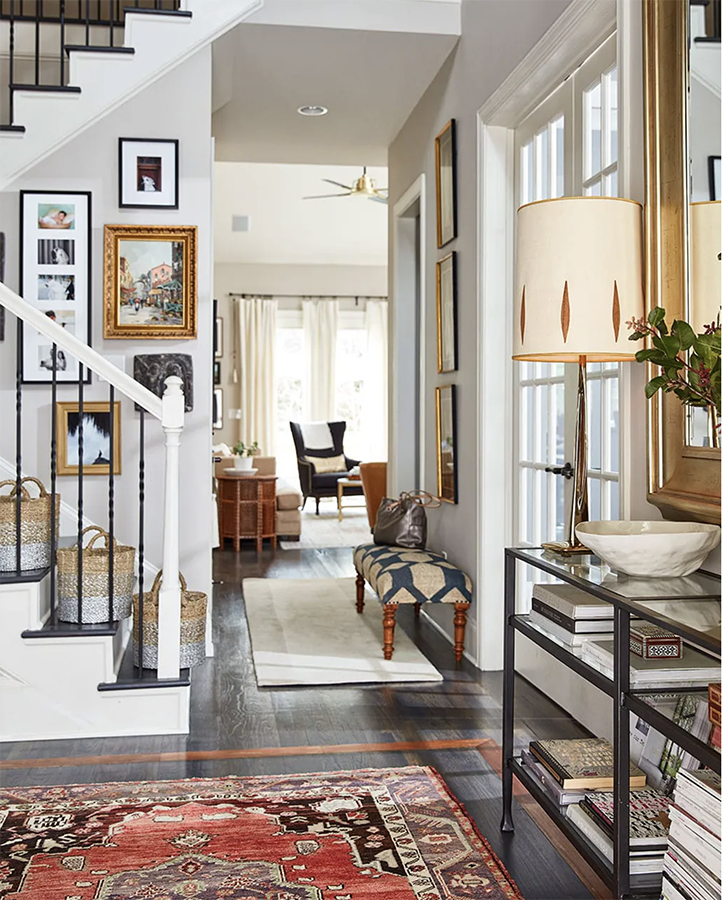
The last part of the puzzle are those transition spaces like hallways, entryways and mudrooms that lead us from one space to the next. It’s important that we consider how these areas can be improved because they are often the spot where a transition is blocked.
Always look to those areas and see how you can improve their functionality. Small changes in transitional areas can alleviate a lot of frustration you may have been feeling. Something as simple as placing a basket on the stairs to collect all the items that need to be returned upstairs can be a life changer. Look for small steps that will make your life easier in the end.
Having a home that works with your life instead of fighting against it will always make a happier home. If you need help creating a home you love, reach out to me. I’d love to discuss how I can help you.
Warm regards,
Adrienne