
The Difference Between Interior Design and Interior Decorating

If you’ve ever felt confused about the difference between an interior designer and interior decorator you’re definitely not alone. I hear the terms being incorrectly used both within and outside of the design industry. When I explain the differences most people are surprised to learn about the vast differences.
In Canada, these are both highly unregulated industries so that means anyone can call themselves an interior designer, even if they have no formal training. The most common scenario is that an interior designer is referred to as a decorator by clients, people in the trade and even friends and family. It’s usually a one-sided error because rarely, if ever, would an interior designer refer to themselves as a decorator. So what is the difference?
THE DIFFERENCES BETWEEN AN INTERIOR DESIGNER AND INTERIOR DECORATOR
1/ EDUCATION
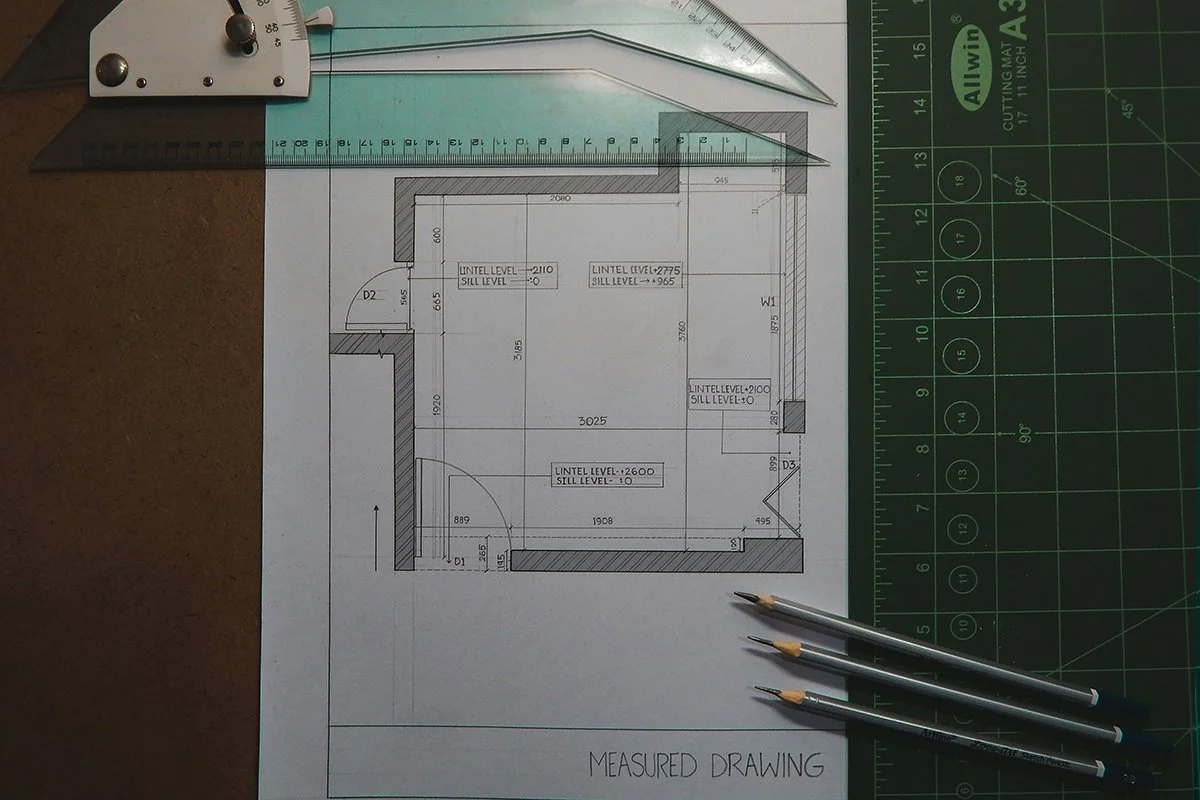
If I had to pick just one, this would most definitely be the biggest difference between a designer and a decorator. An educated designer is taught to create a structurally safe home for you. So while many “designers” freely talk about how their instincts for design are more important than what they could learn at school, it can also be a dangerous situation to have an untrained designer working on your project.
INTERIOR DESIGNERS
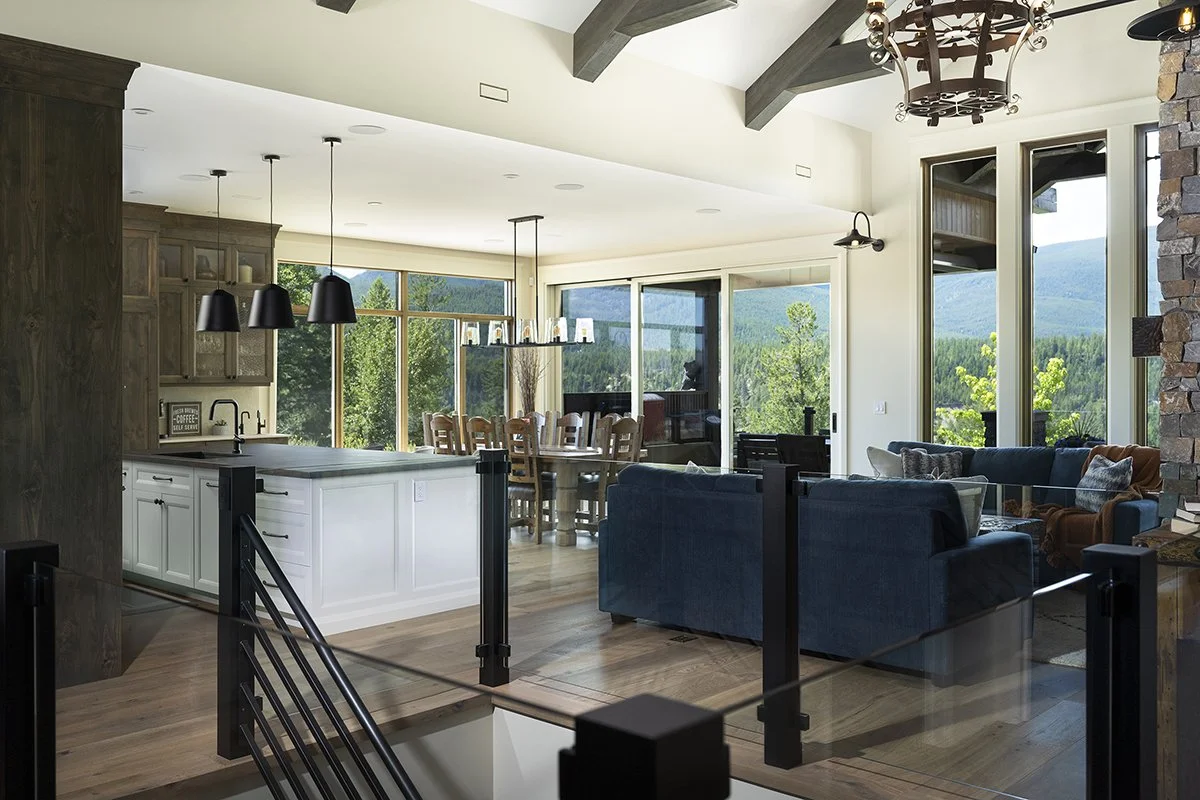
A diploma or degree in interior design is accredited from a school of design. Students study for 2-4 years at a post-secondary institution. The curriculum focuses on:
CAD (computer aided design - read this post to see how I use CAD in my design business),
space planning,
building and safety codes,
materials and specifications,
lighting design
No amount of natural talent can compensate for learned knowledge in these important areas of design. An interior designer is qualified to help with new construction, renovation projects and small jobs like selecting materials and colours.
There are 3 options if you select to study interior design in Canada. If you opt for a university program you’ll be enrolling in a 4-year program. A community college offers a diploma in Interior Design which can be fulfilled in 1-2 years.
Lastly, you can opt for an online education in interior design which is offered through universities and colleges as well as some private institutions. These programs vary greatly in length.
INTERIOR DECORATORS
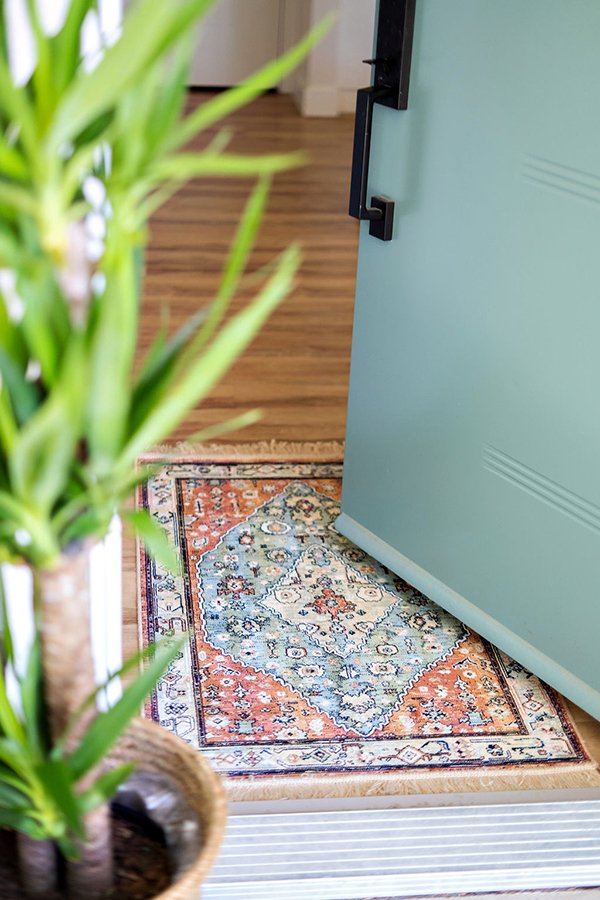
While designers tend to focus on the structural aspects of a home, decorators focus on the aesthetics of a space. The furniture, rugs, artwork and window coverings all fall under the expertise of an interior decorator.
Decorators can be enrolled in a program but no formal education is required to become an interior decorator. These programs are taught at local colleges and an aspiring decorator could choose to study this part-time or full-time for an accreditation. Their studies include:
space planning with scaled floor plans,
furniture styles and periods,
colour theory,
fabrics and wallcoverings,
window coverings
Interior decorating programs could be completed full-time within 1-2 years and the graduate would receive an Interior Decorating diploma.
WHAT TYPE OF PROJECTS DO EACH PROFESSIONAL WORK ON?
INTERIOR DESIGNERS
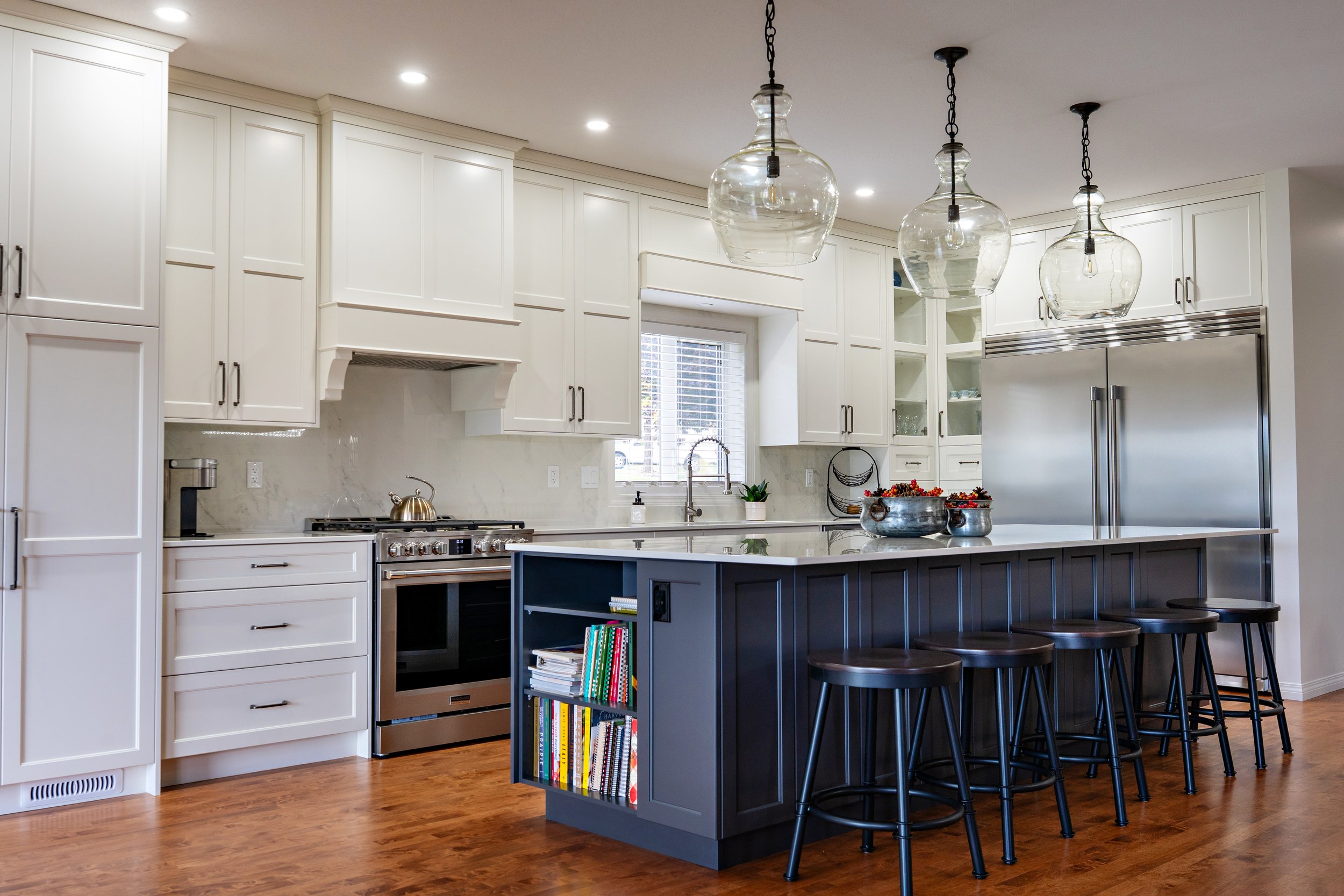
A qualified designer can work on both residential and commercial spaces. Their knowledge allows them to make critical decisions and offer high level input on all aspects of a renovation or new build. They can be the most valuable when they’re part of the team from the ground up. The earlier an interior designer is brought on board, the more efficiently they’ll be able to perform their tasks.
Designers focus on spatial planning so once an architect has created the structure the designer steps in to create the interior. Designers complement the entire team because they understand architecture, construction and local building codes.
They are valuable to homeowners because they understand human behaviour and create optimal functionality in a space. If you’ve ever been in a home that felt awkward with tons of unused space you can assume the builder didn’t have a professional interior designer on their team.
A great designer is a welcome addition to any team of trades. They often act as the liaison between the clients and the trades because they’re seen as a neutral party. They can offset resentment brewing on both sides and problem solve to get things back on track.
Designers are a key player in the planning stages of a renovation or new build. They can create plans for permits, lighting and switch plans and create cabinetry and millwork designs. Read this post to see how custom cabinetry transformed my client’s space.
The most successful projects are ones where the construction team understands the value of the designer and encourages the homeowner to bring their designer to the table early on.
INTERIOR DECORATORS

Decorators are a great addition to any team after the construction is complete. Now it’s time to think about the softer aspects of a home like window coverings, furniture and textiles.
Decorators focus on helping homeowners with the aesthetics of their home by selecting colour palettes for paint, wallpaper and fabrics. They aren’t qualified to make modifications to the structural aspect of a home but they can use their eye for helping in all the decorative aspects.
Their aesthetic knowledge is valuable to everyone involved because their talent for including the soft layer to your home is like adding the jewelry on a great outfit. A perfectly designed home doesn’t shine until the furniture, artwork and curtains are added so your brand new home will never shine without the work done by a decorator. It’s the final touch and it makes everything look pulled together.
WHO THEY WORK WITH
INTERIOR DESIGNERS
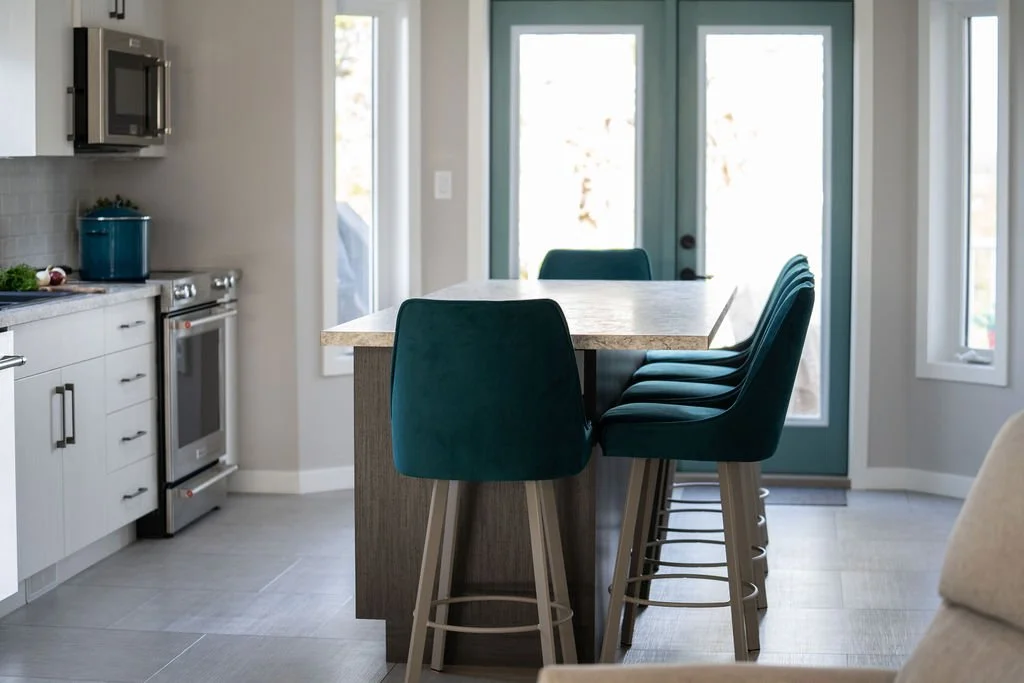
When dealing with a residential project a designer can be hired to work alongside architects, builders and homeowners. Although one of the trades may refer an interior designer, they will usually be hired by the homeowner as opposed to the contractor or builder. In that way they act independently. There are building firms that have an in-house designer on staff in which case they are part of the building and construction team.
Business owners often hire interior designers to work on a commercial project. These types of projects can range from small restaurants and shops to large projects like shopping malls and offices. The work they do on these commercial projects is similar to work being executed on residential projects but the scope of the projects is much larger.
Having a thorough understanding of the difference between an interior designer and an interior decorator is crucial for something as large and structurally important as a commercial project that will later be home to thousands of people.
INTERIOR DECORATORS
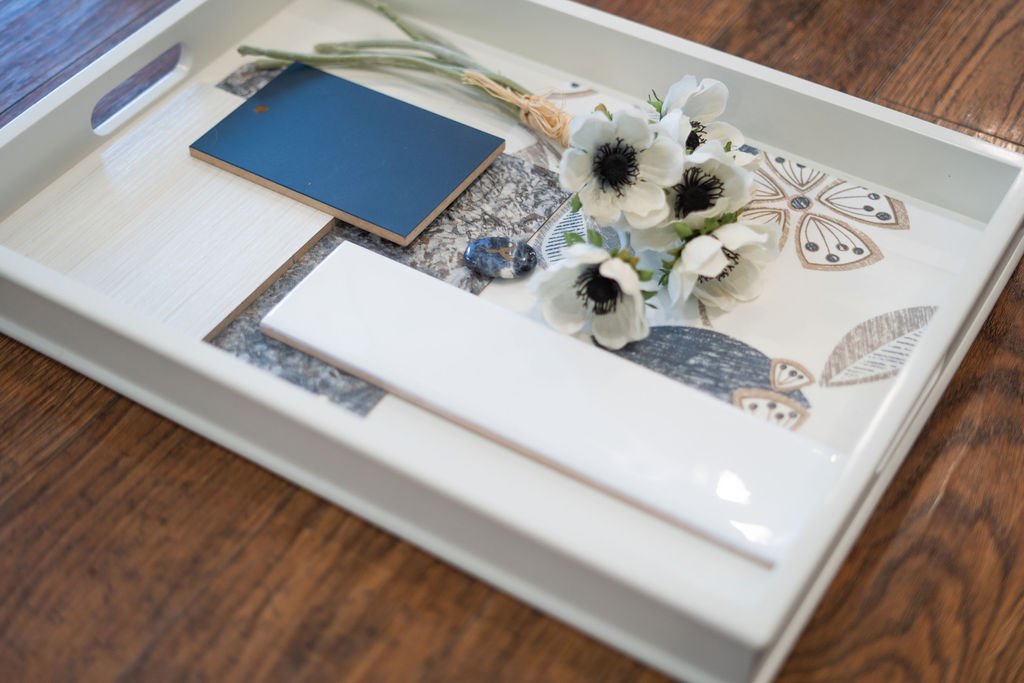
Decorators will typically be hired by the homeowner to help with the furniture selection and layout either at the end of a renovation or as a stand-alone service. It’s common for a homeowner to feel satisfied with the layout of their space but wanting to update their furniture and decor.
Another popular employment opportunity for an interior decorator is furniture and home decor retail stores. A lot of your local furniture stores offer in-home consultations and decorators are a valuable part of that process.
They can advise on the correct sizing for furniture and rugs. In some cases they’ll be able to present layout options for furniture.
I hope this helps you to differentiate between these two very different services. I know it’s a surprise to most people but hopefully now your newfound understanding will prevent costly mistakes from happening in the future.
If you have a renovation project happening this year reach out to me so we can discuss how I can help you with any of your interior design projects.
Warm regards,
Adrienne