
The Power of Accessorizing: How Small Changes Make a Big Impact
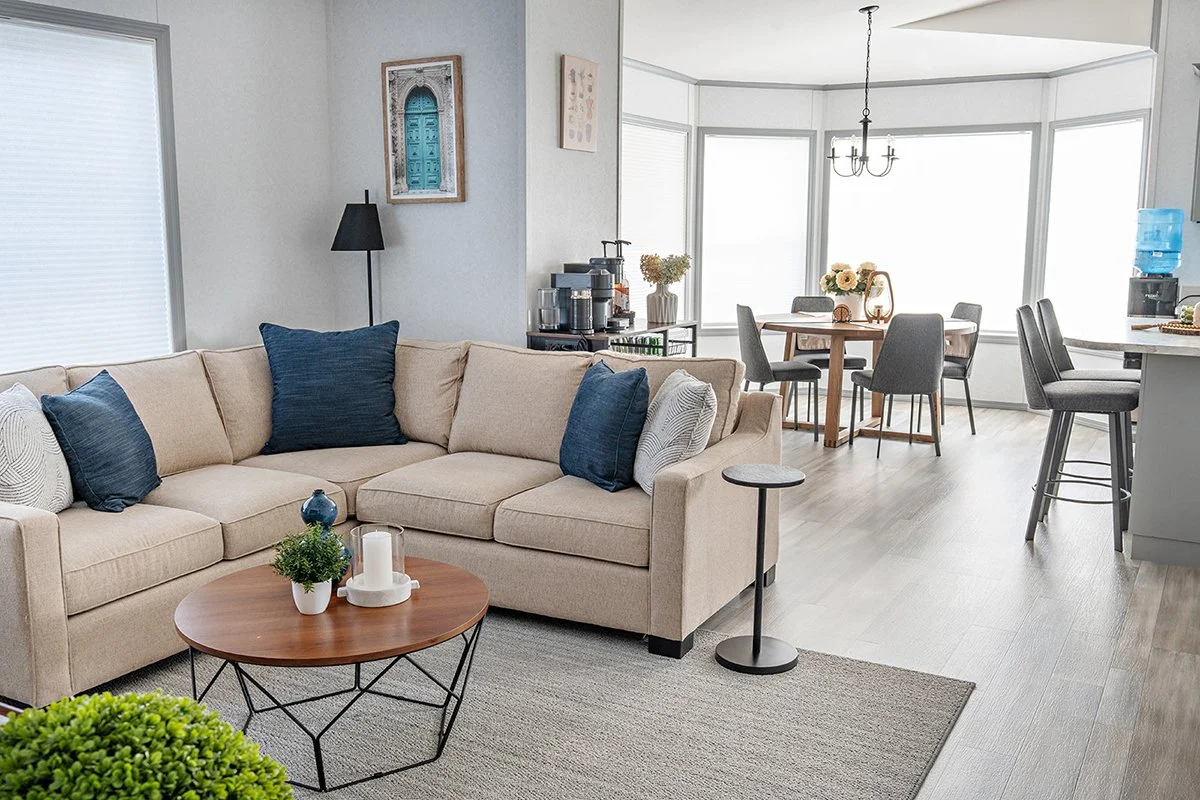
While most of my work is centred around design and build I do occasionally take on a decorating project. This project was one of the occasions that always reminds me of the importance and the power of decorating. So many times we treat decorating as though it’s an afterthought but in reality, it’s the decorating that takes a perfectly designed home and transforms it into its best self.
The Clients
I first met my clients Ishan and Upasna through my husband who had previously worked with Ishan. They’re a young couple in their mid-twenties who, after renting for several years, managed to purchase their dream home.
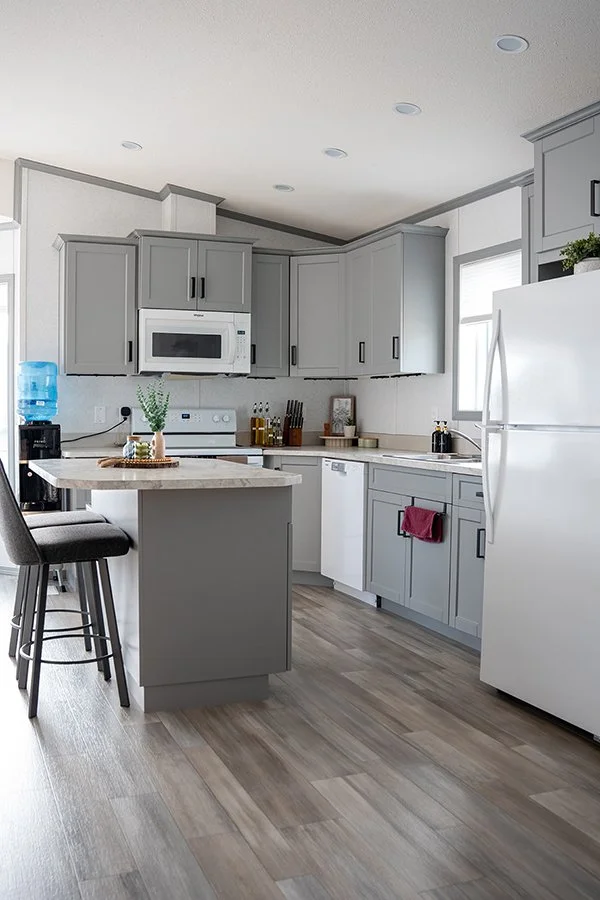
They chose a manufactured home that had good bones but we needed to find a way to soften and mute all the gray that dominated the home. From cabinetry to floors to walls, gray was dominant in this space.
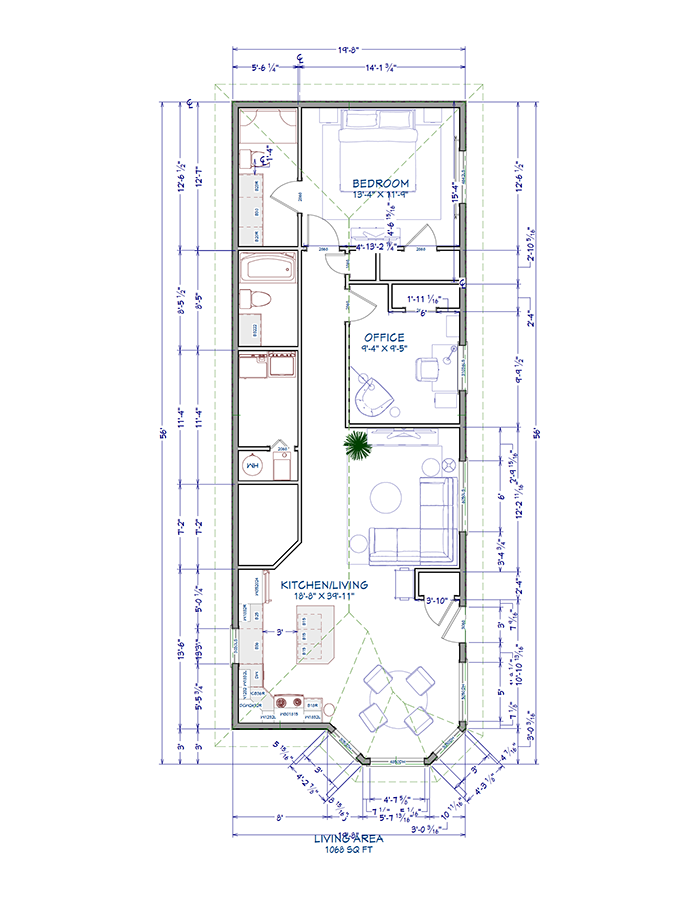
This home is long and rectangular which can be challenging from a design perspective. In open concept spaces the entirety of the environment is on display and each area supports the surrounding rooms.
In a space like this we have utility on one side of the home and comfort and leisure areas on the opposite side. It’s important in rooms like these to really soften the space with textiles because there may be an overwhelming amount of cabinetry creating an imbalance on a single side of the space.
The Brief
These clients were ready for a brand new start in this home and that included selling all their old furniture. When we first met they knew they wanted me to select all the furniture and decor for this new space. This included everything from the furniture pieces down to the linens for their bedroom.
I love when clients express this confidence in me. Being in control of all the purchasing helps a designer to create a tighter continuity in your space since we’re selecting even the small decor items.
If you’re contemplating hiring a designer and you have a limited budget you may want to do the shopping for smaller items. While that’s always perfectly acceptable there could be purchases you make that don’t work. Whenever the sourcing and procurement is split between homeowner and designer there’s a chance for small mistakes. If you have the choice, always opt to have your designer select even your decor items for a more polished look in the end.
The Inspiration
Most of us turn to Pinterest for inspiration when planning a project and these clients are no different. Upasna spent time searching for the style she most aligned with. As the saying goes, a picture is worth a thousand words. It’s always beneficial to share images before any sourcing begins.
I quickly determined that they were looking for a colour palette that could soften the gray and create a neutral palette. Learn more about gray and why it can be so difficult in this post. Colour and pattern weren’t high on the list of priorities so I focused instead on a warm, natural palette that included a variety of soft tones.
How to Get It All on a Budget
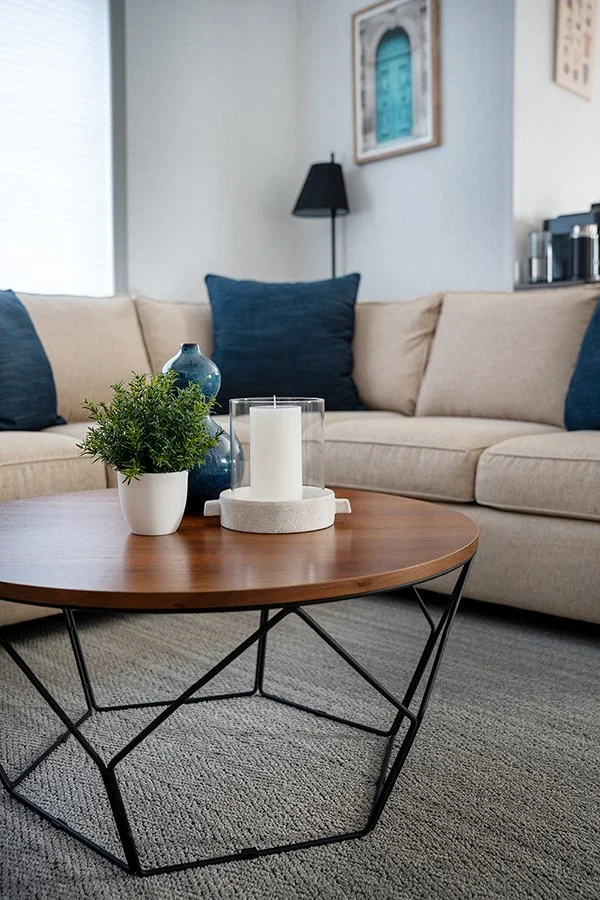
My clients didn’t initially express a preference regarding the style of furniture they preferred but after looking through the inspiration images I could see that they lean towards a cleaner, more modern look. This worked to our advantage because it’s easier to incorporate a lot of gray into a modern palette. It’s tougher when working in a more traditional setting to include shades of gray.
I always prefer to invest in larger furniture pieces like sofas and tables. In this case, I wanted these clients to have really comfortable furniture that would last for a long time. Most of us don’t have unlimited financial resources so it’s important to prioritize how the furniture budget will be allocated.
We started with the sectional because I firmly believe soft upholstered pieces create a cozy and warm space. One of the goals of this project was to create a welcoming home to entertain friends and family and that always starts with comfortable seating.
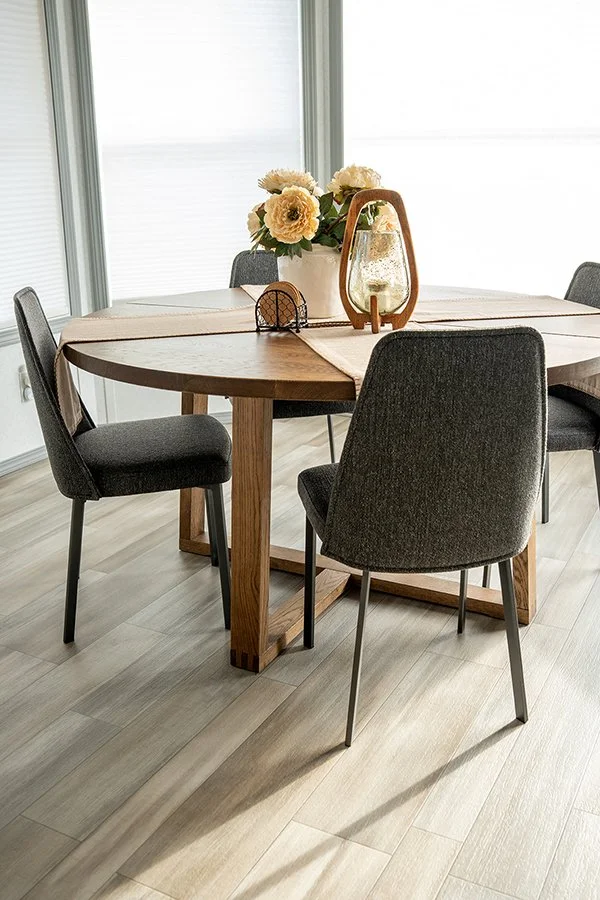
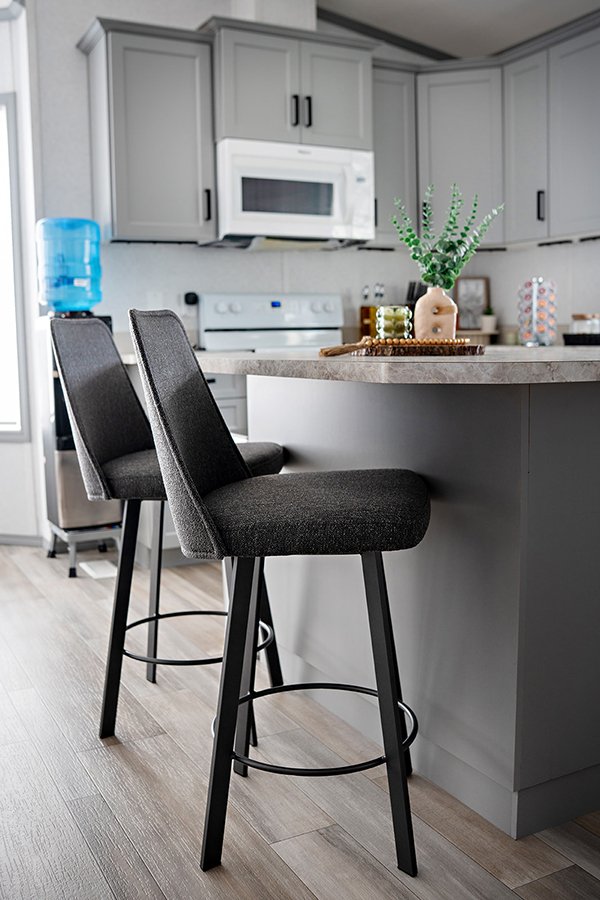
We also allocated additional budget to the dining table, dining chairs and bar stools. Once again we made this decision because these are the most heavily used items in a home where entertaining is a priority.
This left a small budget allocation towards decor items and artwork. These are pieces that are much easier to find at lower price points while still looking great. High-low shopping is not new but it’s important to create a budget and allocate the division before you begin. This will stop you from overspending.
The Furniture
If you live in Canada you may already know about Stylus. They’re one of our favourite Canadian furniture manufacturers. I love their upholstered products and rely on them for many of my client projects. Fortunately, we have a local retailer that carries Stylus so I knew this would be the best option for Ishan and Upasna.
We selected a sectional frame that suited their modern aesthetic. We found the perfect fabric within Stylus’ fabric selections. One thing you may not realize is that it’s always an option to use your own custom fabric when having a custom sofa or sectional created for your home. If you don’t find a fabric that suits you within the manufacturer’s fabric library your designer can order from any fabric supplier.
Another Canadian furniture favourite is Trica and this is where we ordered the dining chairs and barstools. I have been a Trica dealer for some time so I can always assure my clients of their quality and craftsmanship. Since I am a dealer I have all of the fabric and metal samples in my home office, making it really easy for clients to select their finishes. If you’re in the Cranbrook area and are looking for outstanding barstools or dining chairs, reach out to me.
The Accents
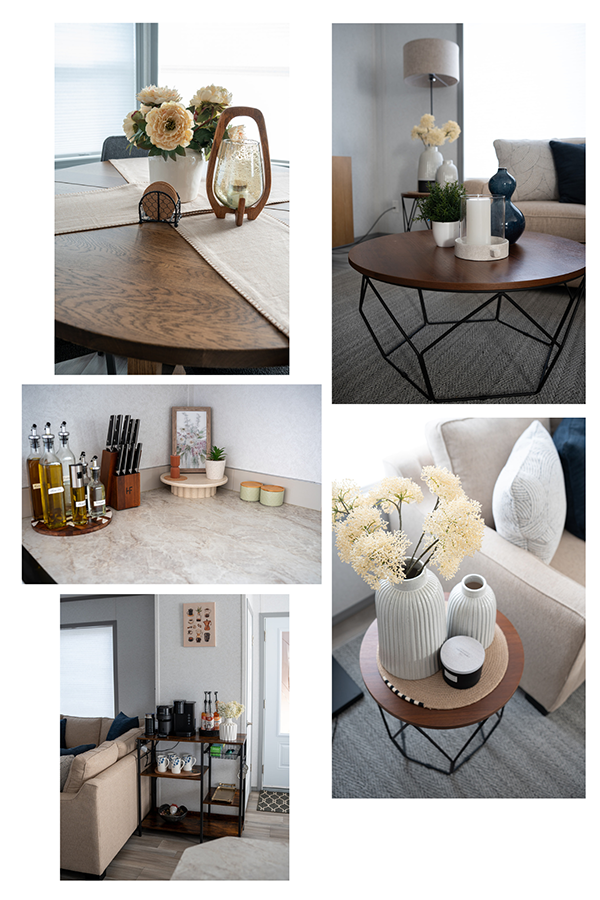
Once the main pieces have been selected it’s time to add the finishing touches. It’s so important to add this part because your new home will never shine without the accents that bring it all to life.
I primarily shopped online for the decor items. For this project my go-to retailers were Urban Barn, Ikea and Cloud Nine. Once a colour palette and a design style have been established, finding decor and art becomes so much easier. Without these decisions you’ll be grabbing an assortment of items and hoping they all work together. Lastly, I visited Calgary a couple of times to pick up the remainder of the decor items and small furnishings.
The Verdict
Even with all the careful planning that goes into building a new home, it’s always anxiety-inducing when the items have all been assembled together. There are always times when things don’t go as planned but in this case, we had no delays or item cancellations.
The day(s) allocated to styling and preparing the home for final reveal are a flurry of activity. I love to see a space unfold and I love to see the smiling faces of my clients when the hard work is complete.
Both the clients and my team were all thrilled with the results. Ishan and Upasna are thrilled to have an entertaining space that feels warm and inviting. I guarantee there will be a lot of happy days spent in this home.
If you have an upcoming project that requires design assistance, please reach out. I’d love to discuss how I can help.
Warm regards,
Adrienne